
Starting with SEO Optimization can feel overwhelming for absolute beginners, but it is the most essential skill to grow your online presence. Without proper SEO Optimization, your website will struggle to attract organic traffic from search engines like Google. Whether you run a personal blog, an e-commerce store, or a digital marketing agency website, mastering SEO Optimization helps bridge the gap between your content and your target audience.
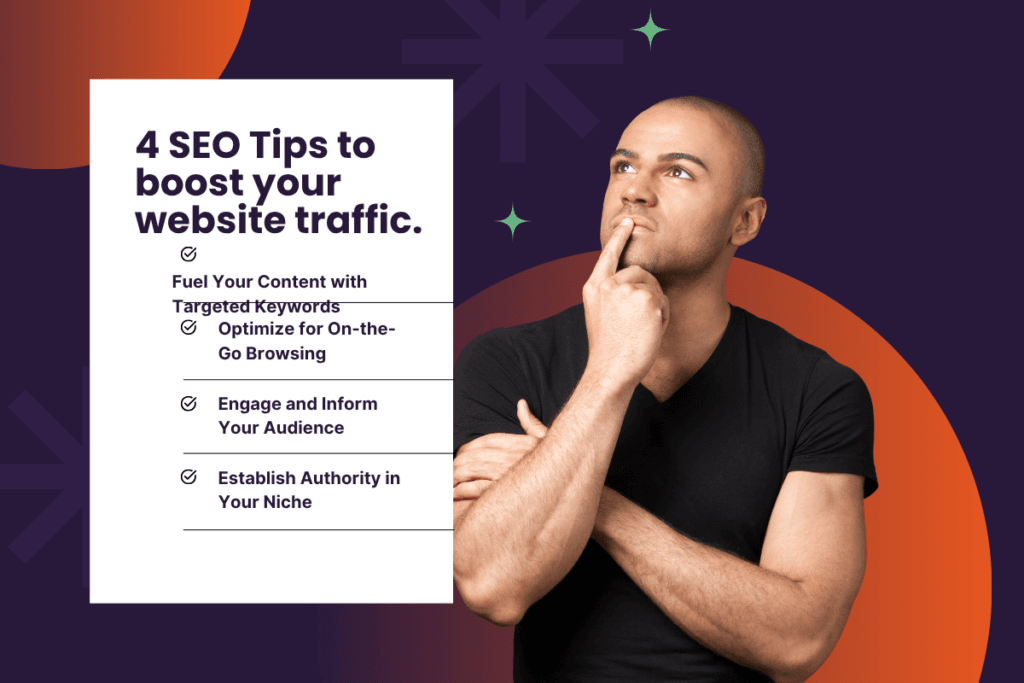
To help you get started on the right path, here are the top 4 beginner-friendly steps you need to follow.
Focus on Deep Keyword Research
Before you write a single word of content, you need to understand what your potential customers are searching for. Keyword research forms the backbone of successful SEO Optimization. Use tools like Google Keyword Planner, Ahrefs, or Rank Math suggestions to find low-competition keywords that match user intent. When you incorporate these keywords naturally into your paragraphs, headings, and meta tags, search engines can easily understand what your page is about.
2. Optimize Your On-Page Elements
On-page SEO Optimization deals with everything you can control directly on your web pages. This includes crafting compelling title tags, writing engaging meta descriptions, and organizing your content with proper heading tags (H1, H2, H3). Make sure your primary keyword appears early in your title and introduction. Additionally, ensure your images include descriptive alt text containing your target keywords to boost accessibility and image search rankings.
3. Build Quality Backlinks and Social Signals
Off-page elements are equally crucial for long-term digital growth. Building quality backlinks from reputable platforms, guest blogging, and sharing your articles on social media networks like Pinterest, LinkedIn, and Facebook signals authority to search engines. While social links are usually nofollow, they drive valuable referral traffic and help search engine bots discover and index your new pages much faster, reinforcing your overall SEO Optimization strategy.
4. Track Performance and Continuous Improvement
SEO Optimization is not a one-time task; it is an ongoing process of monitoring and refining. Install Google Analytics and connect Google Site Kit to track user behavior, bounce rates, and total clicks. Regularly review your Search Console performance reports to see which keywords are ranking. By analyzing this data, you can update outdated content, improve user engagement, and continuously enhance your SEO Optimization efforts to secure top rankings over time.
Common SEO Mistakes to Avoid
While working on SEO Optimization, beginners often make mistakes like keyword stuffing. Google penalizes unnatural keyword use. Focus on human readability instead.
Another mistake is ignoring mobile responsiveness. Your website must work smoothly on mobile phones. Proper internal linking also helps search crawlers index your site faster.
Why Local and Technical SEO Matters
Beyond basic on-page practices, focusing on technical foundations is crucial for long-term success. Technical SEO Optimization ensures that search engine crawlers can easily access, read, and index your web pages without encountering broken links or slow loading speeds. If your site takes too long to load, visitors will leave immediately, increasing your bounce rate. By fixing technical errors, optimizing image sizes, and securing your site with HTTPS, you build a strong foundation that supports all your digital marketing goals and improves overall user experience.
Frequently Asked Questions (FAQs)
Q1: What is SEO Optimization for beginners? A: It is the process of improving your website’s structure, content, and visibility so that search engines like Google can easily find and rank it for relevant user searches.
Q2: Why is keyword research important? A: Keyword research helps you discover the exact terms and phrases your target audience is typing into search bars, allowing you to create content that matches their intent.
Q3: How long does it take to see SEO results? A: Search engine optimization is a long-term strategy. It typically takes anywhere from a few weeks to several months of consistent effort and tracking to see significant ranking improvements.
Conclusion
Mastering SEO Optimization requires consistency and patience. Follow proper keyword research and track your metrics to climb search rankings. Start applying these actionable steps today to grow your digital marketing visibility and achieve long-term organic success!