
Email marketing for beginners is one of the most powerful digital marketing strategies available today. For any new business or creator, it offers a direct line of communication to your target audience. Unlike social media platforms where algorithms change constantly, your email list belongs entirely to you.
Step 1: Define Your Goals and Audience
Before sending any emails, you need a clear strategy for email marketing for beginners. Ask yourself what you want to achieve with your campaigns. Your goal could be selling a product, driving blog traffic, or sharing weekly updates.
Next, understand who your target audience is. Knowing their preferences, pain points, and interests helps you craft relevant messages. When your content matches reader needs, engagement rates naturally increase.
Step 2: Choose an Email Marketing Platform
Managing subscribers manually is impossible as your list grows. You need an automated email service provider to handle your contacts and send campaigns. Popular beginner-friendly platforms include Mailchimp, ConvertKit, and Brevo.
These tools offer pre-built templates, subscriber management, and automation features. Most platforms provide free plans for beginners with small contact lists. Pick a tool that fits your current budget and learning curve.
Step 3: Build Your Email List
You cannot run a campaign without subscribers. Never buy email lists, as this damages your sender reputation and leads to spam complaints. Instead, grow your list organically using ethical methods.
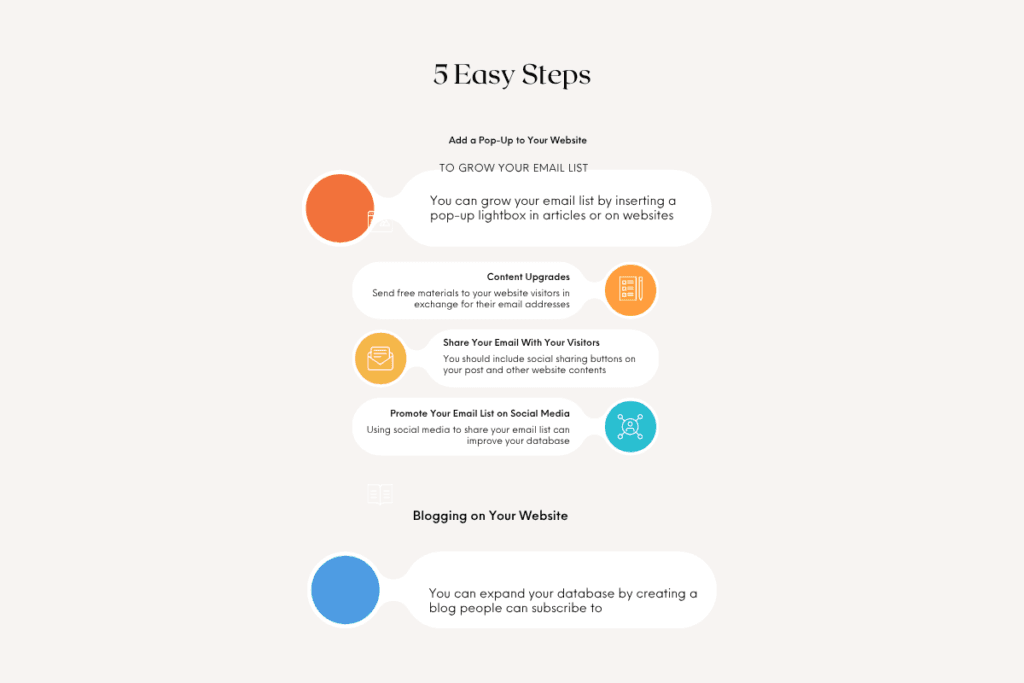
Place signup forms on your website, blog posts, and landing pages. Offer a valuable incentive, such as a free checklist, discount code, or e-book. This technique encourages visitors to share their email addresses willingly.
Step 4: Craft Engaging Content
The success of your campaign depends entirely on your content. Keep your paragraphs short and easy to read on mobile devices. Use an engaging subject line that encourages subscribers to open the email.
Provide genuine value before pitching any product or service. Balance promotional offers with educational tips, stories, or helpful resources. Personalized emails often perform much better than generic mass messages.
Step 5: Test and Analyze Performance
Always review your campaign results after sending an email for email marketing for beginners. Track essential metrics like open rates, click-through rates, and unsubscribe rates. These numbers show what works well and what needs improvement.
Use A/B testing to experiment with different subject lines or send times. Continuous optimization helps you refine your strategy over time. Consistent monitoring ensures long-term success in your digital marketing journey.
Email Marketing for Build Your First Campaign
Email marketing for beginners stands out as one of the best ways to connect with people directly. Social media changes fast, but your subscriber list stays yours.
1. Set Your Goals
Every strategy for email marketing for beginners needs clear goals. Decide if you want more sales or higher blog traffic before you begin.
2. Pick a Platform
Choose a simple tool like Mailchimp or Brevo. Using these platforms makes email marketing for beginners much easier by handling lists and automated messages.
3. Build Your List
Grow your audience naturally. Never buy lists. Put signup forms on your site and offer free guides to attract subscribers to your email marketing for beginners setup.
4. Write Great Content
Keep paragraphs short and mobile-friendly. Good copy drives success in email marketing for beginners by offering real value before any sales pitch.
5. Check Results
Track open rates to improve your future campaigns and ensure long-term growth through email marketing for beginners.
Frequently Asked Questions (FAQ)
- What is email marketing for beginners? Email marketing for beginners is the process of sending direct promotional or informative messages to a targeted subscriber list to build relationships and drive business growth.
- Why should I build an email list? Unlike social media platforms where algorithms frequently change, your email list is a direct and permanent communication channel that you fully own.
- Which tools are best for starting out? Beginner-friendly platforms like Mailchimp, ConvertKit, and Brevo offer easy-to-use templates, automation features, and free plans for new users.
Conclusion
Mastering email marketing for beginners is a game-changer for your digital marketing journey. By setting clear goals, using the right platform, growing your list organically, writing valuable content, and tracking your performance, you can build a reliable channel that drives long-term success and customer loyalty.